A Designer's Review of the Maple Leaf Redwork Design
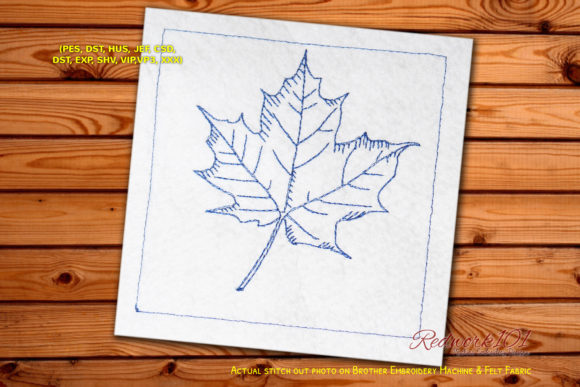
As an embroidery designer preparing for a weekend craft fair, my first job is to scrutinize every design from a seller's perspective. The Maple Leaf Redwork Design immediately presents itself as a versatile, classic motif. It leans into a rustic, elegant aesthetic that feels both timeless and handcrafted. The simple, clean lines of a redwork maple leaf evoke a sense of farmhouse charm and natural beauty, which is a powerful emotional trigger for customers browsing handmade goods.
Where This Maple Leaf Design Stands Out on Your Sales Table
When planning a booth display with tote bags, aprons, tea towels, and pillow covers, visual cohesion is key, but standout pieces drive sales. The Maple Leaf Redwork Design has the potential to be a quiet anchor on your table. It's not loud or funny; it's decorative and premium. On neutral-toned fabrics—like cream linen tea towels or a tan market bag—this design becomes a focal point of understated quality. It speaks to buyers looking for something beautiful but not overly ornate, something that feels handmade without being kitschy.
Consider its performance across key craft fair products:
- Tote Bags & Market Bags: Placed centrally or as a repeated motif along the strap, it adds significant perceived value. It photographs beautifully for online listings, creating a clean, sellable look.
- Aprons & Kitchen Towels: This is where rustic charm truly sells. A single maple leaf on the corner of a tea towel or the bib of an apron feels perfectly thematic and practical.
- Pillow Covers: Offers a minimalist, decorative touch that can appeal to customers looking for home accents. It works wonderfully as a small accent cluster.
- Embroidered Patches & Pouches: As a patch, it’s instantly recognizable and could attract buyers looking for a natural motif to customize their own items. On a small fabric pouch, it becomes a giftable, premium detail.
- Caps: This requires careful evaluation. The curved surface of a cap can distort simpler designs, but a well-placed leaf could work if the stitch file is adaptable and the stabilizer is chosen correctly.
Practical Production & Selling Points for Your Business
Turning a digital embroidery file into profitable handmade products requires a pragmatic eye. The Maple Leaf Redwork Design appears to be a straightforward, single-element design, which is a major advantage for batch production. Its clarity at a glance means a customer at a busy fair can understand and appreciate it quickly—no complex story needed. This is crucial for engagement.
For production, consider these points:
- Scale & Repeatability: It likely works excellently as both a small accent and a moderate focal design. This flexibility allows you to use it across product sizes without losing detail. For batch production, a consistent, repeatable design like this streamlines your process.
- Photography & Online Sales: For your Etsy shop or printable mockups, a design with clean lines and strong contrast (like redwork on light fabric) is a winner. It looks professional and "finished" in photos, boosting product value.
- Brand Consistency: If your brand leans toward natural, rustic, or elegant themes, this design can strengthen your booth's cohesive story.
Careful-Use Notes for a Flawless Finish
Even with a seemingly simple design, attention to detail prevents costly mistakes. Based on the description mentioning an optional box stitch, here are critical checks:
- Test on Scrap Fabric First: Always stitch the Maple Leaf Redwork Design on a scrap of your intended product fabric—be it textured towel linen, dense canvas for a tote, or a curved cap panel. This reveals any issues with stitch density or puckering.
- Thread Contrast & Fabric Color: The classic redwork suggests high contrast. But on dark fabrics, you may need to reconsider thread color to maintain clarity. Always compare your thread choices against your final fabric colors.
- Stitch Density & Small Details: Inspect the design file for any exceptionally dense stitch areas or tiny interior details. On textured fabrics, small details can get lost. Ensure the design retains its maple leaf identity even at smaller hoop sizes.
- Stabilizer & Hoop Size: Using the correct stabilizer for your fabric type is non-negotiable for a clean finish. Confirm the recommended or tested hoop size for this embroidery file before committing to production.
- Create a Real Mockup: Before producing a batch, make at least one real, finished product mockup—a tea towel or a tote bag. This final product is what you’ll judge and what the customer will buy.
Final Thoughts on Customer Appeal & Booth Strength
The Maple Leaf Redwork Design, as a Single Flowers embroidery piece, enhances your table's visual appeal by offering a touch of nature and craftsmanship. It attracts customers who appreciate handmade quality and subtle decoration. In a booth filled with varied items, its elegance can create a "quiet zone" of sophistication that draws a specific buyer.
Its strength lies in its adaptability and timeless theme. For a craft fair seller, embroidery business owner, or Etsy seller, this means you can deploy it across multiple product lines, maximizing the return on one digital design asset. However, a paramount final step is to confirm commercial licensing for this embroidery file before selling any finished products. Ensure your use at a fair or in your small shop is covered.
By carefully testing, producing with quality materials, and displaying it on the right products, the Maple Leaf Redwork Design can become a reliable, sellable star in your handmade product lineup.