Flowers Design: A Bluework Classic for Modern Crafting
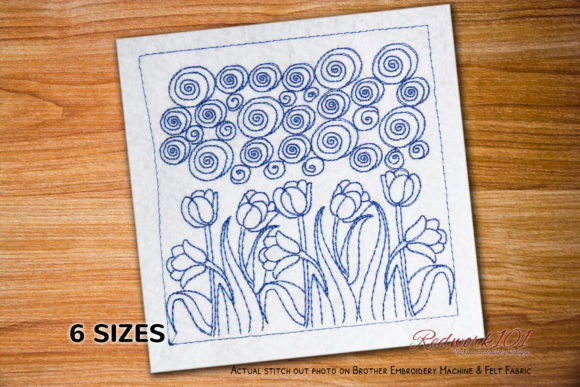
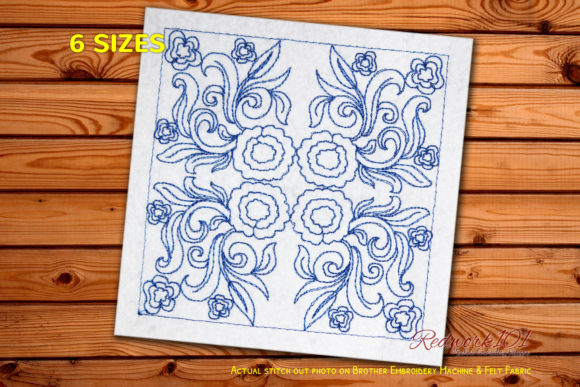
When an embroidery design lands in my library, the first thing I ask is not about its specs, but about its spirit. What mood does it carry? What kind of project does it whisper to me? The Flowers Design, a clear bluework piece, arrives with a quiet confidence. Its single flower motif isn’t shouting for attention; it’s offering a gentle, timeless focal point. The overall feel is clean, classic, and pleasantly unfussy—a visual personality that leans towards elegance rather than exuberance. This isn’t a design for a chaotic, loud statement. It belongs to projects that value a touch of refined handmade charm.
The Natural Habitat for This Bluework Flower
Imagine you’re preparing a batch of linen tea towels for a craft fair, or a simple cotton tote bag for a boutique client. You need a design that feels complete on its own, that doesn’t require a crowded layout to look “finished.” This Flowers Design excels in that role. Its singular focus makes it a perfect candidate for items where simplicity is the selling point. A single, well-executed flower embroidered on the corner of a pillow cover or the chest of a baby’s romper speaks volumes. It tells the customer that care was taken, that the decoration was intentional, not just filler.
I see it shining on natural fiber backgrounds: cream linen, beige cotton, light gray sweatshirt fleece. The bluework style, with its optional box stitch border, creates a crisp graphic quality that elevates the perceived value of a handmade product. For an Etsy seller creating personalized wedding gifts or a small shop producing a line of embroidered aprons, this design offers a consistent, recognizable look that can become part of a brand’s visual language. It’s giftable because it feels special without being overly sentimental.
Where Its Stitching Clarity Really Pays Off
In practical use, the apparent simplicity of a single flower embroidery file is its greatest asset. On custom apparel like t-shirts or caps, a less dense design like this often stitches out cleaner, with fewer puckering issues, especially on stretchy fabrics or curved surfaces. The detail level here suggests it won’t be a nightmare of tiny, thread-clogging fill stitches. That means more reliable results on a variety of projects—from a last-minute holiday gift sweatshirt to a bulk order of patches for a local business.
This reliability builds customer trust. When a client receives a tote bag with this embroidery, they see a crisp, professional finish. There’s no visual clutter to distract from the craftsmanship. For the maker, that translates to fewer headaches and more confident listings. Using it in printable mockups for digital product previews or as a design asset for a craft business website, its clean lines present well, suggesting quality even before the needle hits the fabric.
Spots Where a Gentle Approach is Needed
Even the most charming design has its limits. The optional box stitch mentioned in the description is a key consideration. On very small hoop sizes, or on textured fabrics like a thick blanket, that border might need to be skipped to maintain clarity. It’s a different color in most designs, as noted, so if it’s not integral to the flower itself, omitting it could be a smart choice for a baby item or a delicate handkerchief where minimalism is the goal.
Dark fabric backgrounds require extra thought. Bluework traditionally pops on lighter grounds, so on a black cap or a navy sweatshirt, thread color contrast becomes critical. A test on scrap fabric is non-negotiable here. Similarly, for products destined for frequent washing—like kitchen towels or everyday caps—you’ll want to review the stitch density. A design that’s too sparse might not wear as well over time. The beauty of this Flowers Design is that its likely moderate density should hold up nicely, but confirming that before running it on twenty tea towels is just sensible designer practice.
A Real-Life Scenario: The Boutique Tote Bag
Let’s walk through a typical scenario. I’m consulting for a small shop owner who wants to create a signature embroidered tote bag. She wants it to feel elevated, not crafty. The Flowers Design comes up as a candidate. My immediate thought is about placement. Centered? Lower corner? The layout lends itself to a balanced, centered application, making the bag look like a purposeful product, not a canvas with a random decoration.
I’d advise her to test it in a black and white mockup first, to see how the shape reads without color. Does the flower’s form hold its interest? Absolutely. Then, we’d stitch a sample on the actual bag material. We’d check the small details: are any interior lines too fine for the fabric texture? Does the optional box stitch add a framing effect she likes, or does it make the design feel too constrained for a casual bag? Based on that real stitch-out, we’d decide. This hands-on evaluation turns a digital embroidery file into a tangible, sellable finished product.
Practical Notes for the Working Designer
My final judgment on any design comes from the embroidery machine, not the screen. For this Flowers Design, here’s my mental checklist before committing it to a client project or commercial run:
- Always run a test on a scrap of your target fabric. This tells you everything about how thread colors interact with the material and whether stabilizer choice is correct.
- Specifically compare how it looks on both a light and a dark fabric background if you plan to offer both options to customers.
- Inspect the small details in the stitched sample. Are there any overly tight corners or potential satin stitch areas that might require tweaking for your specific machine?
- Confirm the licensing terms for this embroidery design. If you’re selling the finished tote bags or patches, ensure your use is covered. If you’re a digital product seller including it in a bundle, clarity on redistribution is key.
- Consider its versatility. This Single Flowers category design likely works beautifully for both personal projects and commercial embroidery, but verifying that saves future trouble.
Embroidery, at its best, bridges digital art and physical craft. The Flowers Design feels like a bridge built with good intentions. It’s not the most complex file you’ll own, but in the right context—on that boutique tote, that personalized baby blanket, that crisp linen pillow cover—it becomes the most effective. It provides the handmade presentation and visual appeal that makes a product feel considered and complete. For the maker, that’s the real value: a design that performs reliably, looks professional, and lets the quality of your stitching, and your business, shine through.