A Designer's Review of Two Pink Tulip Flowers Tied
The First Impression: Softness and Connection
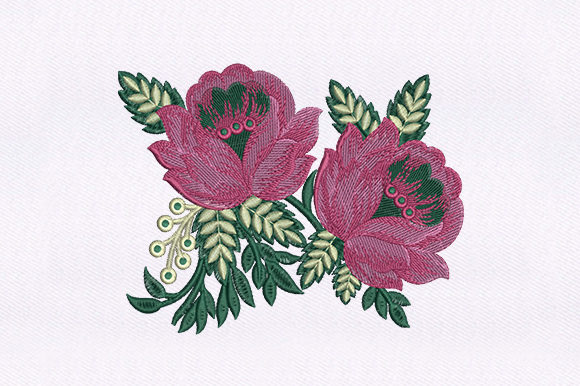
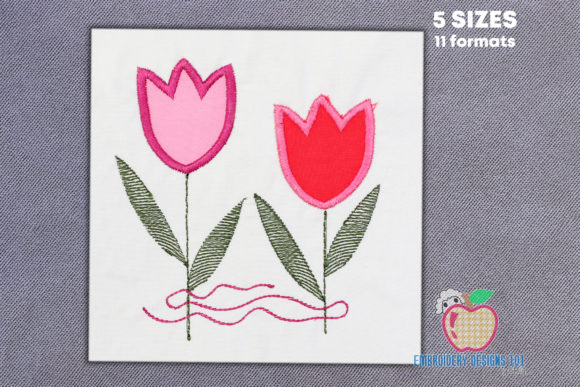
When I first looked at the Two Pink Colored Tulip Flowers Tied design, my immediate thought was: this is a gentle, cohesive statement. The "tied" element is crucial—it’s not just two random flowers; it’s a deliberate pairing, bound together. This creates a mood of connection, partnership, and tender care. The pink tones suggest sweetness without being overly childish, making it versatile across age groups. The shape is balanced and the layout feels intentionally crafted for a central focal point, ideal for a clean, standalone embroidery project. It doesn’t scream for attention but quietly earns it through its linked, elegant form.
Where This Design Finds Its Home
In practical terms, this applique design belongs to a family of projects where a soft, heartfelt touch is needed. I envision it beautifully stitched onto a linen tote bag for a spring market, or as a central motif on a cotton pillow cover for a nursery or cozy living space. Its theme makes it a perfect candidate for personalized gifts—think a mother-daughter duo, best friends, or a wedding gift for a couple who appreciates subtle symbolism. For Etsy sellers or craft fair products, this design could easily become a signature item on simple aprons or kitchen towels, offering a touch of handmade charm that customers actively seek out.
Thinking Through a Real Project: A Boutique Baby Blanket
Let’s walk through a scenario. I’m preparing a custom, heirloom-quality baby blanket for a client. They want something unique but not overly bold. I load the Two Pink Colored Tulip Flowers Tied embroidery file. The separated steps mentioned in the description are a practical benefit for managing color changes and stitch density. On a soft cotton-blend fabric, using a muted pink and a neutral thread for the tying detail, the design stitches out. The result is a delicate, almost storybook-like image. It doesn’t overwhelm the blanket’s texture; it complements it. The client’s reaction is predictable: a smile. It feels special, crafted, and exactly the kind of detail that elevates a handmade product from simply nice to genuinely meaningful.
Performance on Real Surfaces and Products
This design, with its likely use of satin stitch and fill stitch areas for the flowers, will perform well on stable, medium-weight fabrics. It’s a natural fit for custom apparel like sweatshirts or t-shirts where the fabric provides a firm base. On tote bags, especially canvas, it will hold its clarity beautifully. For embroidered patches, the tied theme creates a complete, frame-ready look. In commercial embroidery runs for small shop merchandise, its consistent shape and moderate detail level mean reliable stitching across multiple items, which is key for brand consistency and customer trust.
Caution and Consideration: Where to Be Mindful
As with any design, thoughtful application is everything. The "tied" detail, likely involving finer lines or running stitch, requires careful execution on highly textured or stretchy fabric. On a curved surface like a cap, the small, intricate binding threads might lose definition if not hooped perfectly. On very dark fabric, the pink colors need thoughtful thread choice—perhaps a slightly brighter shade for proper contrast. Because it’s a Single Flowers category design, it’s inherently focal; placing it on items with lots of existing seams or layered details might clutter the final look. Always test the design on scrap fabric first, matching the final project’s material exactly.
The Impact on Your Craft Business
From a creative entrepreneur’s perspective, using this design effectively boosts visual appeal through its thematic coherence. A finished product featuring these tied tulips feels intentionally designed, which increases its perceived value. For digital product sellers offering printable mockups, the design provides a clear, attractive asset that helps customers visualize the end product. Its giftability is high—it naturally fits occasions like birthdays, anniversaries, or baby welcomes. This professionalism in theme execution encourages buyer engagement; people are drawn to items that tell a small, sweet story.
Essential Designer Notes Before You Stitch
Before committing this design to a client project or your next batch of small shop product, run through these practical steps. First, check thread color contrast by creating simple black and white mockups or testing on both light and dark fabric backgrounds. Second, review stitch density by stitching a sample; this informs your choice of stabilizer—a crucial step for maintaining clarity, especially on lighter fabric texture. Third, confirm hoop size compatibility; the description notes multiple machine formats, but always verify the minimum required hoop for your specific machine to ensure the details aren’t cramped. Fourth, inspect small details like the tied thread area in your test stitch; ensure they are clear and not overly dense. Finally, and most importantly for commercial projects, confirm licensing before selling finished items. The product description indicates it comes with multiple embroidery file formats, but the rights for reselling embroidered goods or digital products must be explicitly clear.
A Final, Realistic Take
The Two Pink Colored Tulip Flowers Tied design is a reliable, emotive tool in your embroidery toolkit. It won’t solve every project need, but for where it fits—soft goods, gifts, personalized decor—it performs with a quiet confidence. It helps you create products that feel considered and complete. In a market where customers value authenticity and detail, this design provides that subtle, tied-together story that makes a finished product feel genuinely handmade.