A Designer's Take on the Red Rose Embroidery for Market Success
First Impressions: Elegance That Commands Attention
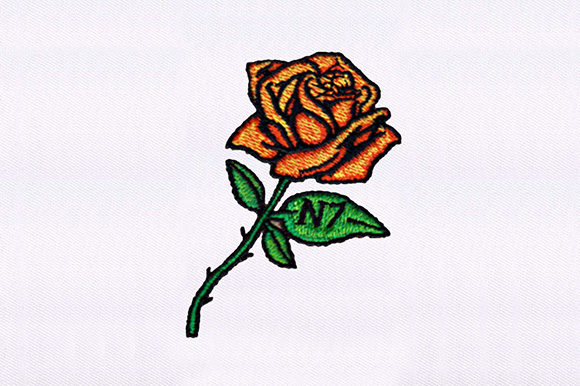
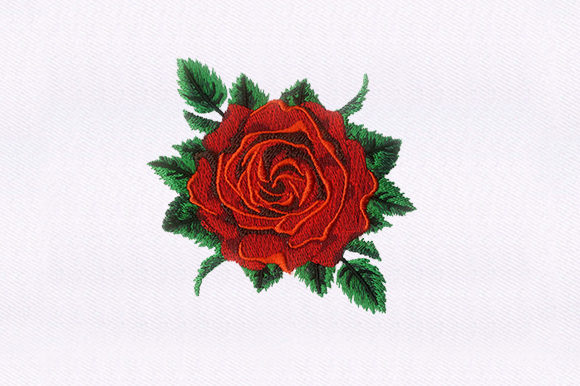
When I look at the Red Rose embroidery design, the immediate feeling is one of classic, premium elegance. It’s not a cute, cartoonish flower; it’s a statement piece. This sense of sophistication is exactly what can elevate a simple handmade product at a craft fair booth. In a sea of rustic farmhouse motifs or minimal modern designs, a bold, elegant rose stands apart. Customers browsing your table will notice it because it feels timeless and intentionally decorative. It’s a design that whispers quality.
Where This Rose Blooms: Best Products for Craft Fair Sales
My first task in preparing for a weekend market is to decide which products will give Red Rose the best chance to sell. This isn't just about stitching it onto something; it's about pairing the design with items that enhance its inherent appeal.
- Tote Bags & Market Bags: This is a prime candidate. A single, elegant rose centered on a canvas tote creates a high-value, giftable item. It feels more special than a generic print.
- Aprons & Kitchen Towels: For a tea towel or apron, this design transforms a utilitarian item into a decorative kitchen accessory. It leans into a "gourmet" or "hostess" gift vibe, which sells well.
- Pillow Covers: A larger-scale application on a pillow cover makes a beautiful home decor piece. It feels boutique and can anchor a booth display with a touch of soft luxury.
- Embroidered Patches & Caps: Here, careful consideration is needed. A Red Rose patch can be stunning, but you must check the design's clarity at a smaller size. On a curved cap surface, dense stitch areas might pose a challenge unless the file is expertly adapted.
- Small Pouches & Giftable Items: On a fabric pouch or a small linen bag, the rose acts as a perfect focal point, making the item feel complete and thoughtfully crafted.
For your booth display, I recommend creating at least one large, clean sample—like a tote bag or pillow—to showcase the design's full beauty. Smaller accent items like patches can then be displayed around it to show versatility.
Practical Production: Making It Work for Your Business
Turning a digital embroidery file into a sellable, batch-produced handmade product requires a practical eye. Here’s my review from a production standpoint.
Design Clarity & Scaling: A rose design, by nature, can have areas of varying stitch density. Before committing to batch production, you must stitch this out on scrap fabric. Check how the details hold up on different textures—like the nubby surface of a tea towel versus smooth canvas. Does it lose definition if you scale it down for a patch? This test is crucial.
Thread Contrast & Fabric Choice: The name "Red Rose" suggests a bold color, but contrast is key. On dark fabric, you may need to consider a lighter background thread or ensure the red is vibrant enough to pop. Always compare fabric colors with your thread palette. For textured towels or thick fabrics, using the correct stabilizer is non-negotiable to maintain the design's elegance.
Photographing for Online Sales: For your Etsy listings or printable mockups, this design photographs beautifully if stitched cleanly. Its clear focal point and elegant lines make it easy for customers to understand at a glance in an online thumbnail—a huge advantage for digital sellers and Etsy sellers.
Selling Power: Why This Design Adds Value
From a seller's perspective, the Red Rose affects several key areas of your small shop product strategy.
- Customer Attention: At a busy fair, visual simplicity with emotional resonance draws people in. A rose is universally appreciated, creating an instant connection.
- Product Value Perception: Machine embroidery, when done well, signals craftsmanship. This elegant design applied to a functional item like an apron makes customers feel they're buying a premium handmade product, not just an apron.
- Booth Display Strength: A cohesive product line built around a strong, recognizable design like this rose creates a professional, branded look. It tells a story of quality and intentionality.
- Batch Production Repeatability: If the design stitches out cleanly and reliably on your chosen products, it becomes an efficient, repeatable craft fair product. You can confidently produce multiple tote bags or pouches knowing each will have consistent, high-quality appeal.
The Essential Designer Checklist Before Selling
Before you stitch this onto anything for commercial sale, please run through this final list. It's the difference between a successful product and a frustrating one.
- Create a Real Physical Mockup: Don't rely on the digital preview. Stitch the Red Rose on the actual fabric you plan to use—be it canvas, linen, or cotton—to see the true result.
- Confirm the Commercial Licensing: The product description mentions it's a machine embroidery design. You must verify the license terms of the specific embroidery file you purchased. Ensure it permits use for commercial embroidery products you sell at markets or online.
- Review Technical Details: While the description calls it high-quality, you need to check the specifics: recommended hoop size, stitch count, and file formats included. This information dictates which products are physically possible to embroider.
- Inspect Stitch Density: Run your test stitch. Are there overly dense areas that might cause puckering on lightweight fabrics? Are tiny details, like potential leaf veins, clear? Adjust your materials and stabilizer accordingly.
In the category of Single Flowers, the Red Rose embroidery stands out as a versatile, emotion-evoking design. When paired with the right products and produced with careful attention to quality, it can become a star of your craft fair booth and a reliable, beautiful offering for your embroidery business. It’s not just a design; it’s a potential signature product that conveys the premium, handmade quality your brand represents.