Embroidery Magic: The Iris Design's Quiet Confidence
When an embroidery file lands in my library, I look at it not just as a graphic, but as a potential story. I think about the fabric it will live on, the hands that will wear it, and the moment a customer sees it on a finished product. That's the lens I'm applying to the Iris design today.
The First Impression: Elegance Without Fanfare
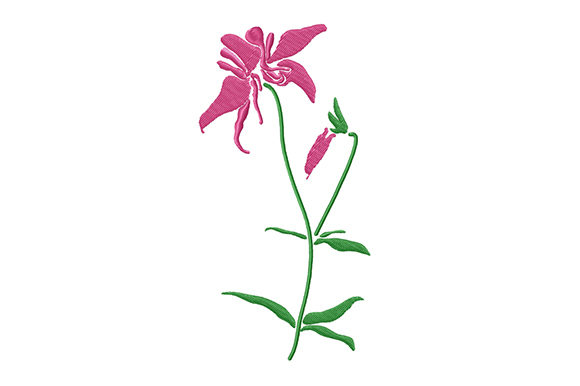
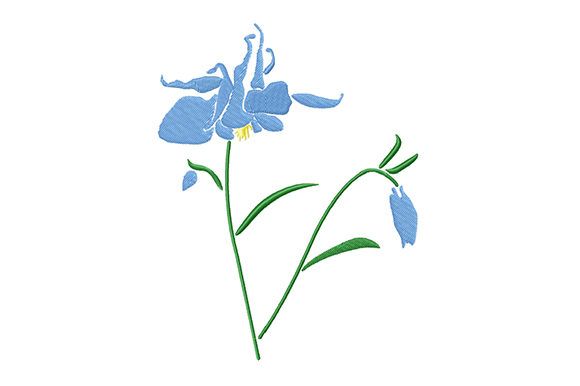
This Iris design has a gentle, classic personality. It doesn’t shout for attention; it earns it through balanced shapes and thoughtful detail. The mood is clean, botanical, and quietly artistic. It feels like a design that knows its purpose: to add a touch of refined, natural beauty to a surface. For designers and makers, this translates to a versatile asset. It belongs on projects where subtlety is valued over boldness—think personalized gifts, boutique branding, or heirloom-quality items. The Single Flowers category fits perfectly, as it offers a focused, standalone beauty that doesn't need a supporting cast.
A Real Scenario: The Boutique Tote Bag Dilemma
Let me paint a picture. I’m preparing a batch of canvas tote bags for a small shop’s spring collection. They need to feel handmade and special, but not overly ornate. I pull up the Iris embroidery file. My first thought is about scale. This design, with its natural flow, would sit beautifully centered or off to one side on a bag panel. I envision the stitch colors—maybe soft purples and greens against the natural canvas, or a monochrome slate blue for a more modern look. The real test is how it reads after stitching: will the layers of the flower hold their clarity from a distance? Will it look embroidered, not just printed? For a product like this, where texture is part of the sale, the Iris’s promise of “looking great on any fabric” needs to prove itself in thread and stabilizer.
Where Iris Shines: The Natural Fit Projects
Some designs have a natural habitat. For the Iris, I see it excelling in domains where elegance and durability intersect.
- Custom Apparel & Soft Goods: On the breast of a linen apron or the cuff of a cotton robe, it becomes a signature detail. For a lightweight sweatshirt, it offers detail without overwhelming the fabric’s casual vibe.
- Home & Gift Items: Embroidered onto a pillow cover or a tea towel, it brings a botanical touch to home decor. As a holiday or wedding gift, especially on something like a blanket or nursery decor item, it feels timeless and considered.
- Craft Business Staples: For Etsy sellers and creative entrepreneurs, this is a ready-made design asset for printable mockups and product listings. It can anchor a line of floral-themed merchandise—tote bags, caps, patches—creating brand consistency.
- Personalized Touches: On baby clothes, provided the stitch density is appropriate for soft fabric, it could be a beautiful heirloom motif. The key is its adaptability to meaningful items.
The Practical Judgment: Where to Proceed with Caution
Confidence in a design also means knowing its limits. Not every lovely embroidery file is for every project. Based on its visual structure, here are my cautious notes for using the Iris.
Small hoop sizes could be a challenge if the design has intricate inner details. Test a section first on scrap fabric to see if small satin stitch areas or delicate running stitch lines maintain their integrity. Textured or very stretchy fabrics might require extra stabilizer strategy to keep those elegant curves crisp. On dark fabric backgrounds, thread color choice becomes critical—you’re not just picking hues, you’re engineering contrast for visual appeal.
Applying it to curved surfaces like caps requires mental mapping; does the design’s layout have a focal point that will sit well on a curved crown? And for products destined for frequent washing—like kitchen towels or baby items—the longevity of the stitch work depends on the foundational choices: quality thread, proper stabilizer, and secure stitching. The design itself sets the stage, but your execution seals the performance.
How This Design Impacts Your Product’s Story
When you stitch the Iris onto a product, you’re doing more than decorating. You’re influencing perception.
- Stitching Clarity & Professionalism: A clean, well-defined embroidery design like this, when stitched properly, signals craftsmanship. It builds customer trust in a handmade product.
- Value & Giftability: It elevates a simple item into a gift. The aesthetic is inherently giftable—classic, unisex, and emotionally neutral in a positive way (it conveys beauty, not a narrow sentiment).
- Buyer Engagement: In a digital product preview or on a mockup for your small shop, a design with clear, attractive details helps a potential buyer visualize it on their own project. That engagement is a silent sales tool.
Notes from the Worktable: Before You Hoop the Fabric
My process before committing any design to a client project or commercial embroidery run involves a few non-negotiable checks. Let’s apply them to the Iris.
- Scrap Fabric Test: Always. This reveals how the fill stitches interact with your specific fabric texture and whether any dense areas cause puckering.
- Color Contrast Experiment: Stitch a sample on both light and dark background scraps. This tells you more about the design’s inherent versatility than any description can.
- Hoop Size & Detail Inspection: Confirm the recommended hoop size from the designer. Then, visually inspect the file in your software for any tiny details that might need thread color adjustments to remain clear.
- Stabilizer Strategy: Match your stabilizer to the fabric and the design’s apparent stitch density. A design with varied densities needs a stabilizer that can support both delicate and solid areas.
- The License Check: This is paramount for craft businesses and digital product sellers. Before selling finished items or using the file in commercial embroidery projects, explicitly confirm the licensing terms. It protects your business and respects the designer’s work.
- Context Thinking: Ask yourself: is this for a one-off personal project, or for a line of products in my small shop? That answer guides your testing depth and material choices.
The Iris machine embroidery design presents itself as a lovely, original quality piece. That’s a strong starting point. Its real value, however, will be measured in the thousands of stitches that bring it to life on someone’s next sewing project. For the maker, it’s a tool for creating beauty. For the wearer or user of the finished product, it’s a quiet, elegant detail that speaks of thoughtful creation. That’s the magic we’re all aiming for, and this design seems ready to play its part.