Hart Flowers Design: An Embroidery Designer's Detailed Review
Let me start with a real-world scenario that defines my approach. A client recently commissioned a series of personalized gifts for a boutique wedding. The request was for something elegant yet fresh, intricate but not overly fussy, and capable of working on various fabrics from linen napkins to silk-covered keepsake boxes. When I loaded the Hart Flowers Design machine embroidery file, I immediately felt it could be a contender for that specific project, and many more like it.
The Visual Character: Where This Design Finds Its Home
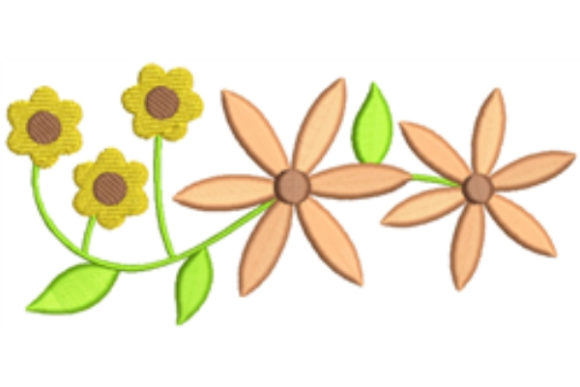
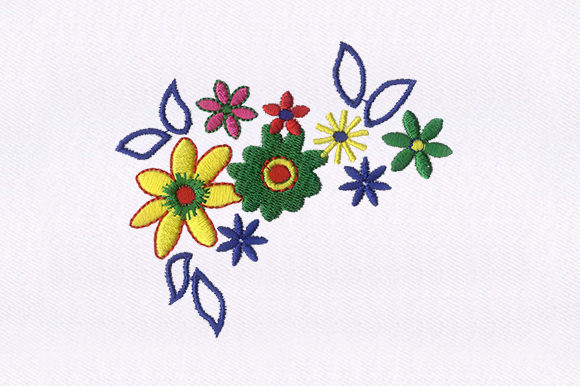
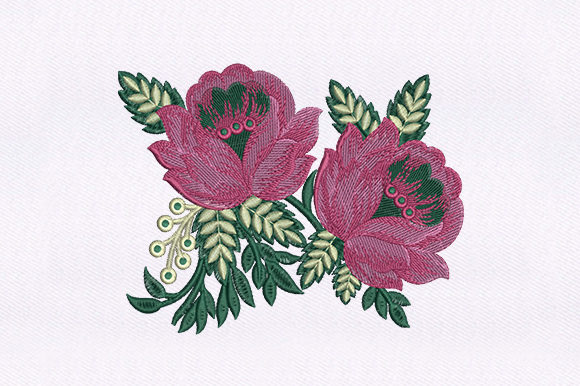
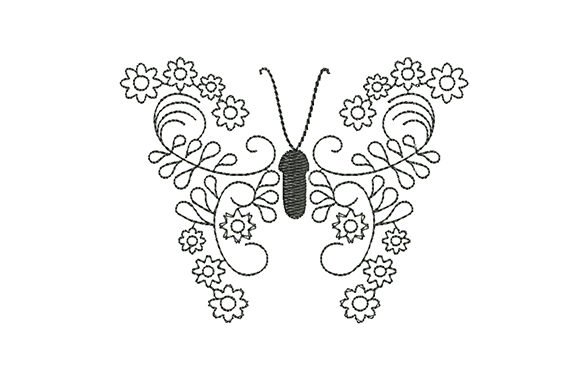
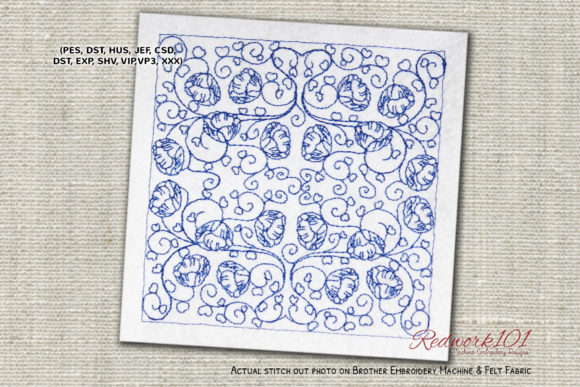
The Hart Flowers Design presents a distinct mood. It feels botanical and structured, yet with a touch of whimsy. The layout suggests a natural, almost architectural, growth of floral elements. This isn’t a sprawling, wild garden; it’s a considered composition, which gives it a versatile personality. My first impression was that this embroidery design would lend itself beautifully to projects aiming for a refined handmade aesthetic—think high-end baby items, elegant kitchen towels for a craft business, or a boutique’s branded apron series. The optional Box Stitch mentioned in the description is a significant note. As a designer, knowing that an outer element can be skipped or its color altered directly gives you immediate control over the final look, allowing you to adapt the design to different fabric colors or product themes without extra digitizing work.
Performance Across Real Embroidery Projects
In practical application, the success of any embroidery file hinges on how it translates from screen to stitch. For the Hart Flowers Design, I consider its category—Intricate Cuts—as a key indicator. This suggests detail and precision. In my evaluation for real projects, I think this design would perform exceptionally well on stable, smooth fabrics where those intricate details can shine. A crisp cotton tote bag for an Etsy seller, a linen pillow cover for a home decor line, or a high-quality sweatshirt for an apparel decorator would be ideal canvases.
For commercial embroidery projects or small shop merchandise where consistency is key, the design’s structured layout should help produce uniform results across multiple units. Its visual clarity would also make it strong for digital product previews and printable mockups, allowing digital product sellers to showcase the asset effectively to their customers. As a personalized gift—embroidered on a premium tea towel or a baby blanket—it carries a sense of thoughtful craftsmanship that enhances giftability.
Spaces Where a Careful Approach is Needed
Every design has its considerations. Given the likely intricacy, I would approach certain applications with extra preparation. On highly textured fabrics like some towels or tweeds, the finer details might get lost. Stretchy fabrics for t-shirts or certain caps would demand excellent stabilizer choice and possibly hoop size adjustment to maintain the design’s integrity. Dark fabric backgrounds require careful thread color contrast planning; some of the delicate elements might need slightly brighter or more opaque threads to stand out clearly.
If adapting it for a curved surface like a cap, I’d pay close attention to the denser areas and any potential for puckering. For products destined for frequent washing, such as baby clothes or everyday aprons, I would test the stitch density on a scrap to ensure it’s robust enough to withstand laundering without compromising the intricate cuts. These are not criticisms, but the realistic, practical judgments an experienced designer makes before committing thread and time.
Impact on Product Value and Customer Perception
Using a design like Hart Flowers Design Machine in your craft business or handmade products affects more than just the stitch. It influences perception. A well-executed intricate design on a finished product conveys a higher level of skill and care, which builds customer trust and can elevate a product’s value. For an Etsy seller or creative entrepreneur, this contributes to brand consistency and a professional presentation in listings. The design’s distinctive, recognizable pattern can become a signature element for a line of products, aiding buyer engagement and repeat interest.
It’s also a design that, due to its thematic nature, could easily be seasonal or evergreen, fitting into holiday gift lines or everyday boutique products. This versatility is a practical asset for a small business owner planning a product calendar.
Essential Designer Notes Before You Stitch
Before loading this embroidery file for a client project or your next small shop product batch, here are my grounded recommendations. Always, always test on scrap fabric first. Use the same material and stabilizer you plan for the final product. This test will reveal everything: how the optional Box Stitch interacts with your chosen thread colors, whether the stitch density is suitable for your fabric, and if any small details need attention.
Check the design in both light and dark fabric mockups—even simple black and white digital overlays can help you visualize contrast. Confirm the appropriate hoop size for your project; intricate designs often benefit from a stable, adequately sized hoop. Crucially, review the licensing terms for this digital embroidery file before selling finished items or including it in commercial embroidery projects. This is a fundamental step for any professional or business.
Remember, the description notes that the color of the outer box is different in most designs unless part of the design itself. This is a practical instruction that allows you to streamline your thread changes and potentially reduce stitching time, a small but valuable efficiency for batch work.
In closing, from the perspective of someone who evaluates embroidery designs for real-world use, the Hart Flowers Design Machine file presents a compelling option for projects demanding elegance and detail. Its structured floral theme offers a versatile foundation for personalized gifts, custom apparel, and commercial craft business items. By approaching it with the practical steps outlined—testing, planning for fabric type, and respecting its intricate nature—you can transform this digital asset into finished products that truly resonate with your audience and uphold the quality of your handmade craft.