Leaves Lineart: A Versatile Embroidery Design for Handmade Markets
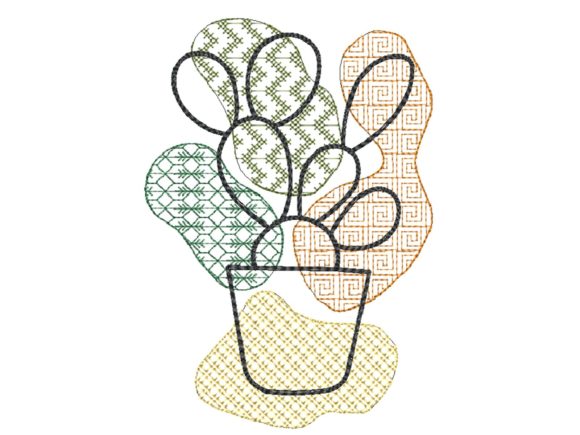
As an embroidery designer preparing for a weekend craft fair, my first task is to evaluate my digital files for their real-world selling potential. When I look at Leaves Lineart, my immediate impression is one of clean, modern versatility. This design falls into the Single Flowers category, but its true strength is its elegant, minimalist linework. It doesn’t shout "farmhouse" or "rustic"; instead, it feels decorative, soft, and premium—a style that appeals to a broad customer base looking for something understated yet beautifully handmade.
First Impressions and Product Placement
Standing at my booth, surrounded by embroidered tote bags, aprons, and pillow covers, I need designs that catch the eye without overwhelming the product. Leaves Lineart achieves this. Its linear nature means it can act as a sophisticated accent or a striking focal point, depending on how I use it. On a crisp white tea towel, it would look delicate and artful. On a dark canvas market bag, the contrast would make it pop, conveying a modern, boutique aesthetic. This adaptability is a key selling point at a craft fair where customers are looking for unique, well-designed items.
Where This Design Will Stand Out
In my booth display, I envision specific products where Leaves Lineart will shine.
- Tote Bags and Market Bags: The design’s simplicity scales beautifully on larger surfaces. It won’t get lost in the fabric’s texture, and it adds value without looking overly busy.
- Aprons and Kitchen Towels: For these functional items, the design injects a touch of personal artistry. It feels decorative and elevates a simple kitchen product into a giftable handmade item.
- Pillow Covers and Small Pouches: Here, Leaves Lineart can serve as a perfect, repeatable motif. Its elegance enhances the perceived quality of the product.
- Caps and Patches: This is where careful consideration is needed. The curved surface of a cap and the smaller size of a patch require testing. The lineart must retain clarity at a reduced scale; dense stitch areas or tiny details could become muddy.
Practical Production for the Busy Maker
Turning a machine embroidery design into a batch of craft fair products requires efficiency and foresight. With Leaves Lineart, several practical points come to mind.
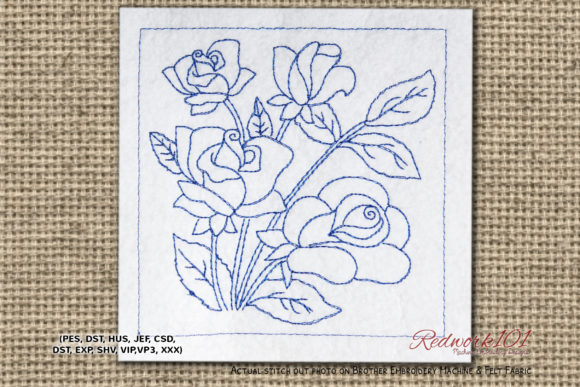
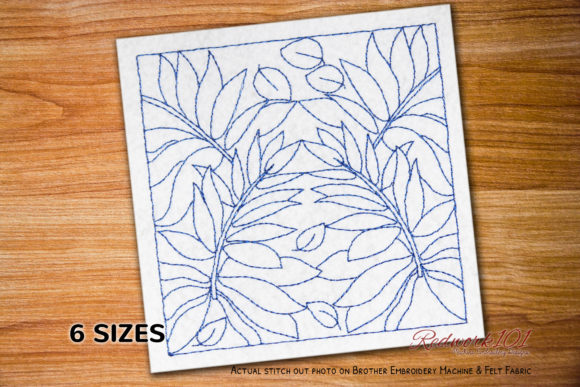
First, its likely composition—clean lines without filled-in blocks—suggests manageable stitch density. This is excellent news for production speed and for stitching on thicker fabrics like canvas or textured towels without excessive puckering. However, the description notes that "The Box Stitch shown in picture is optional. The color of outer Box is a different color in most of the designs unless it is part of the design itself." This is a crucial instruction. Before production, I must review the actual embroidery file to understand this element. Is it a simple border? Skipping it, as the description allows, could further simplify the design for faster stitching or for a more minimalist look on certain products.
Critical Steps Before Hooping Your First Product
- Test on Scrap Fabric: Always stitch this design on a scrap of the exact fabric you plan to use—be it linen for a towel or cotton for a tote. Check for clarity, especially if you plan a small version for a patch.
- Check Thread Contrast: On dark fabrics, ensure your thread color provides enough pop. On light fabrics, a subtle, elegant color might work best.
- Review Hoop Size and Stabilizer: Match your hoop size to the product. A larger design on a bag needs a firm stabilizer to prevent distortion. A small design on a cap needs a stabilizer that handles curves.
- Create a Real Mockup: Never rely only on a printable mockup for your Etsy listing. Make at least one finished product. How does it feel in person? Does the embroidery lie flat? This handmade quality is what customers at your booth will physically evaluate.
- Confirm Commercial Licensing: As a digital seller or small shop product maker, ensure your license for this digital embroidery file permits you to sell the finished products commercially. This is a fundamental step.
Selling Power and Customer Engagement
At the craft fair, a design must communicate its value quickly. Leaves Lineart is easy to understand at a glance—it’s a beautiful, stylized leaf. This instant recognition helps. It photographs well for online listings and booth samples, as its clean lines won’t blur in a picture. This visual appeal directly impacts customer attention and product value.
For brand consistency, if your booth features a natural, minimalist theme, this design strengthens that identity. It feels repeatable for batch production, allowing you to create a cohesive line of products—from tea towel embroidery to embroidered patches—that tell a unified style story. This consistency strengthens your entire booth display.
Careful-Use Notes for Maximum Impact
To ensure every stitched product looks its best, keep these points in mind:
- Small Accent vs. Large Focal: Experiment. This design could be stunning as a small, repeated cluster on a pillow cover’s corner or as a single, large statement on an apron. See what feels most premium.
- Dark Fabric and Clarity: On dark materials, the optional box stitch (if used) and the lineart itself need high-contrast thread. Test to avoid a faint, hard-to-see result.
- Texture Challenges: On heavily textured tea towels, the fine lines might break up slightly. This isn’t necessarily bad—it can add a handmade charm—but be aware of the effect.
- Batch Production Mindset: Because the design appears straightforward, it’s a candidate for efficient batch runs. Plan your thread colors and product sequences to streamline your crafting for the fair.
Final Designer Thoughts Before the Fair
Evaluating Leaves Lineart from the perspective of a crowded, vibrant craft fair, I see a strong contender. Its visual appeal is modern and elegant, appealing to customers looking for something beyond cute or festive. Its handmade quality is evident when stitched well on appropriate products. The practical production aspects seem manageable, provided I do my pre-work: testing, confirming file details, and choosing the right products.
My recommendation for fellow embroidery business owners and creative entrepreneurs is to lean into this design’s versatility. Use it to create a high-value, coordinated product line. Place it on items where its simplicity can breathe—like a clean tote bag or a minimalist pillow cover. Always, always make a physical sample. The difference between a digital file and a real embroidered patch on a cap is everything. That tangible excellence is what will engage a buyer at your table, convince them of the value, and ultimately, make Leaves Lineart a successful part of your craft fair product lineup.