Mushroom Plant Redwork: A Cozy Embroidery Review
First Impressions of the Mushroom Plant Design
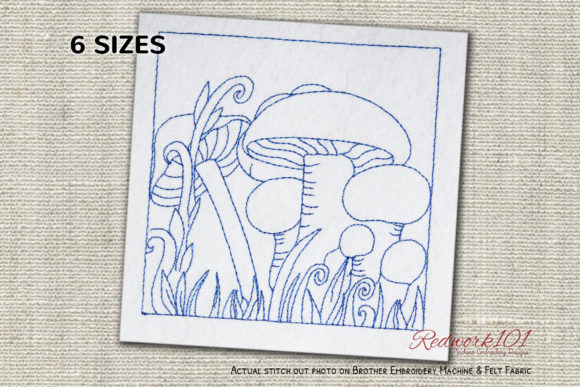
Opening the machine embroidery design file for Mushroom Plant Redwork, the immediate feeling is one of quiet charm. It's not loudly playful or starkly modern, but possesses a gentle, classic quality that feels handmade and sweet. The single mushroom motif, with its delicate stem and cap, sits nestled beside a small plant—a composition that feels naturally balanced. This isn't a bold statement piece; it’s a whisper of woodland whimsy. The redwork style, typically implying a single color thread, gives it a timeless, sketch-like elegance that is both warm and versatile. For a personalized gift shop, this emotional appeal is key: it feels meaningful without being overly specific, opening it up to a wide range of sentimental applications.
The Perfect Personalized Gift: Where This Design Thrives
As an embroidery designer planning products, I visualize where Mushroom Plant Redwork would shine as a finished product. Its inherent coziness makes it a natural fit for baby embroidery items. Imagine it stitched onto a corner of a cotton baby blanket, a sweet nursery pillow cover, or a delicate burp cloth—it instantly adds a touch of gentle nature.
For wedding gifts, this design offers a subtle, romantic option. A pair of embroidered towels or a linen apron with this motif could symbolize growing together—a perfect handmade product for a couple who loves the outdoors. It’s equally suited for family keepsakes, like a custom tote bag for a gardener or a pillow cover for a cozy reading nook.
From a seller's perspective, Mushroom Plant Redwork is a fantastic small shop product. For Etsy sellers and craft fair vendors, this design translates beautifully onto ready-to-sell items: kitchen towels, simple apron fronts, and canvas totes. Its simplicity means it stitches quickly, which is ideal for managing custom orders. Creating a digital embroidery file mockup to show customers—a printable mockup on a towel or blanket—would likely attract buyers looking for that unique, understated personalized gift.
Considerations for Application & Fabric Choice
While the design is charming, successful application requires some forethought. The small, fine lines of the plant details and the mushroom gills are beautiful, but on heavily textured fabric like a thick terry towel or on stretchy baby clothes, they might lose definition. A proper stabilizer is absolutely non-optional here to preserve those details.
Stitching on dark fabrics requires careful thread color selection for contrast—a classic red might not pop on navy, so testing on scrap fabric first is crucial. Also, consider the product's life: items needing frequent washing, like kitchen towels or baby items, benefit from a robust stitch density. Review the design's stitch density in your software before committing to a project on these durable goods.
The note about the optional box stitch is practical. For most applications, like a pillow cover or blanket embroidery, skipping the outer box lets the organic motif breathe. The box might be useful if framing the design on a more structured item, like a specific patch, but it’s wonderful to have the choice.
Elevating Your Product's Giftability & Value
Using Mushroom Plant Redwork effectively can significantly boost your product's perceived value. In the world of custom embroidery, designs that evoke an emotional connection—like this nature-themed piece—create a stronger buyer engagement. When a customer sees it on a baby blanket, they don't just see a blanket; they see a hopeful, natural-themed keepsake. This builds customer trust in your handmade quality.
For product photography, clean shots of this design on a neutral fabric background will highlight its delicate lines, making your Etsy listing or small shop website look professional and appealing. The design’s simplicity means it doesn’t overwhelm the item, allowing the quality of your stitching and the fabric to also shine, reinforcing the handmade product narrative.
Practical Embroidery Notes Before You Stitch
Before running this for real customer orders, my designer routine kicks in. First, I always test on scrap fabric identical to my final product fabric. This checks how the small details render after stitching and confirms the needed hoop size for my machine. Comparing light and dark fabric mockups in my software helps plan thread choices.
A critical step is to check the thread color contrast not just on screen, but with actual thread spools against the fabric. Also, if you intend to sell the finished products, you must confirm your commercial embroidery licensing for the digital file. Never assume—always verify the license terms included with your purchase of the Mushroom Plant Redwork file.
Finally, consider the end-use: for curved surfaces like caps or intricate placements, the design’s orientation matters. Its balanced composition works well centrally or offset, but always hoop securely to avoid distortion.
A Design for Meaningful Making
Mushroom Plant Redwork, from the Single Flowers category, is a thoughtfully composed embroidery design that serves the maker and the gift-giver beautifully. It provides that sweet spot of being detailed enough to feel special, yet simple enough to be adaptable and reliably stitchable. It attracts customers looking for a gift with a soft, natural soul—for a newborn, a new home, a wedding, or simply a treat for oneself.
As a professional embroidery designer reviewing it for a personalized gift shop, I find it a worthy addition to a product line. Its charm translates into tangible items that carry emotional weight. By paying attention to the practical embroidery notes—fabric choice, stabilizer, and testing—you can transform this digital embroidery file into a range of finished products that feel genuinely handmade and deeply giftable.