A Bold, Colorful Hibiscus Applique Design for Your Booth
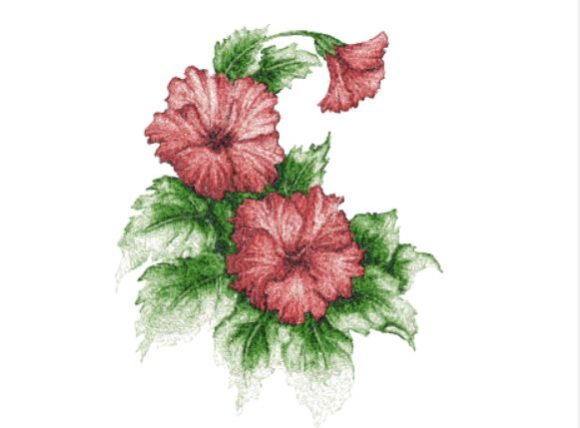
As an embroidery designer preparing for a weekend craft fair, the first thing I do is evaluate a new design not just for its aesthetic appeal, but for its real-world selling power. When I look at The Hibiscus As the Applique Designs, my immediate impression is one of bold, tropical elegance. Hibiscus flowers are inherently decorative and eye-catching. This isn’t a minimal, subtle motif; it’s a statement piece meant to draw attention on a crowded table. The "Applique" aspect suggests a design with defined, layered areas, which translates to a premium, handmade look that customers associate with quality.
Where This Hibiscus Shines on the Craft Fair Table
My booth strategy revolves around creating a cohesive display where each product has a clear purpose. The Hibiscus As the Applique Designs is a strong candidate for what I call "anchor products"—items that serve as focal points to pull customers in.
- Tote Bags and Market Bags: This is perhaps the perfect application. The bold, colorful design works as a large focal point on bag fronts. It feels summery, vibrant, and ideal for customers looking for a unique, giftable handmade product. It elevates a simple canvas bag into a premium item.
- Pillow Covers: For home decor, this design brings a pop of tropical or botanical style. It works beautifully on solid-color pillow covers, especially linen or cotton, creating a high-value decorative piece.
- Aprons and Kitchen Towels: Here, the design leans into a cheerful, functional aesthetic. On an apron bib or a tea towel corner, the hibiscus adds a decorative, non-generic touch that stands out against typical rustic or farmhouse motifs. It photographs exceptionally well for Etsy listings and online shops.
- Embroidered Patches: Given its likely defined shapes, this design could be stunning as a standalone patch. Patches are hot sellers, and a high-quality, floral applique patch appeals to a broad audience. It’s a smaller, lower-cost item that can drive impulse purchases.
- Caps: Applying it to a curved cap surface requires careful testing, but if the design’s scale is right, a hibiscus on a cap is instantly fashionable and unique, tapping into a different customer segment.
- Fabric Pouches and Small Gift Items: As a smaller accent on a pouch or a cosmetic bag, it becomes a delicate, decorative detail that suggests care and craftsmanship, perfect for boutique makers.
Practical Production Notes for the Busy Seller
Turning a digital embroidery file into a stack of sellable products requires a practical mindset. The description notes multiple embroidery file formats and color-change separation, which is excellent for production flexibility across different machines.
- Test on Scrap First: Always, always stitch this out on a piece of scrap fabric identical to your final product material. Check for stitch density, especially in any potentially dense areas of the flower petals. High density on lightweight totes or towels can cause puckering.
- Thread Contrast and Fabric Choice: A hibiscus thrives on vibrant thread colors. Test the design on both light and dark fabrics to ensure the chosen color palette has enough contrast to remain bold and clear. On textured towels, ensure your stabilizer choice is robust to maintain detail clarity.
- Scale and Hoop Size: Without specified hoop dimensions, I advise confirming the design’s native size. Determine if it works best as a large statement (perhaps a 5x7 hoop or larger) or can be reduced for smaller accents without losing the intricate applique details. Small lettering or tiny details often vanish at reduced sizes.
- Batch Production Friendliness: Color-change separation makes batch production smoother. You can efficiently stitch multiple items by organizing your threads. The design’s repeatable, consistent nature makes it ideal for creating a uniform line of handmade products for your booth.
- Photography & Display: This design will photograph beautifully. Its bold colors and clear shapes stand out in online listing photos and printable mockups. At the fair itself, use it on products placed at eye-level on your display. A hibiscus-embroidered tote bag hanging on a booth hook is a natural attention-grabber.
Careful Use Notes for Optimal Results
Even a great design has its considerations. As an embroidery designer reviewing this for commercial use, I’d note:
- Stabilizer is Key: For applique designs on items like bags or aprons, a firm cut-away stabilizer is often necessary to support the fabric layers and prevent distortion during wear.
- Small Accent Versatility: If the design is large, consider whether a smaller version is available or if reducing it would compromise the appeal. Test it. Sometimes, a simplified element of the hibiscus could be used for a tiny accent on a cuff or pocket.
- Commercial Licensing: Before selling any finished product, confirm the license terms of the digital embroidery file. Most files for this market are intended for commercial use, but it’s a critical step for any serious Etsy seller or small shop owner.
- Create a Real Mockup: Don’t just rely on the digital preview. Stitch it out on at least one final product—a tote bag or pillow cover—to see how it feels in person. This real sample becomes your best sales tool at the fair.
Final Judgment: Sales Appeal and Booth Impact
The Hibiscus As the Applique Designs has high potential for craft fair success. It fits neatly into the Single Flowers category, offering a focused, decorative theme. Its visual appeal is direct and emotional—it evokes warmth, vacation, and natural beauty. This directly influences perceived product value; customers see it as a decorative upgrade.
For buyer engagement, it’s a design that sparks conversation. People might comment on the colors, ask if it’s a specific hibiscus variety, or immediately visualize it on a product they want. This interaction is gold at a busy market.
From a production standpoint, the provided multiple file formats indicate a designer who understands the needs of creative entrepreneurs using various machines. The separated color steps are a practical boon for efficient batch work.
In summary, The Hibiscus As the Applique Designs is a strong, bold choice for sellers aiming to create a standout, tropical-inspired line. It’s not a subtle, background pattern; it’s a front-and-center design that commands attention. By applying it to high-impact products like totes and pillows, and following solid production practices—testing on your actual fabrics, choosing the right stabilizer, and confirming licensing—you can transform this machine embroidery design into a profitable, eye-catching pillar of your handmade market booth.