Hibiscus: A Bold Vintage Flower for Handmade Markets
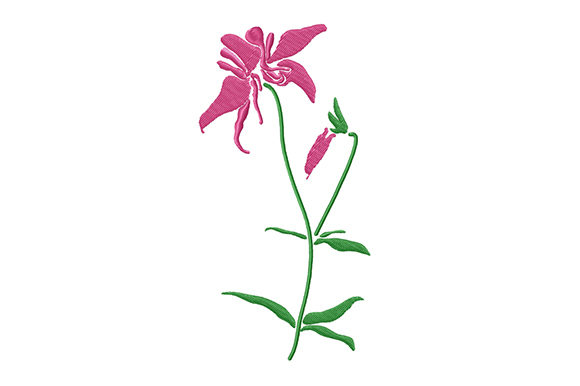
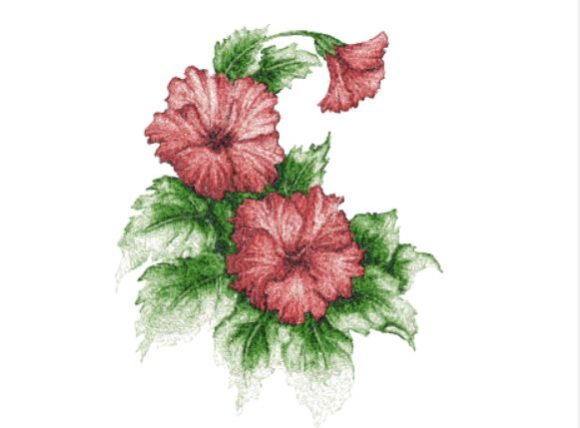
Walking into my studio this morning, I pulled up the Hibiscus embroidery file, ready to evaluate it for my next craft fair. My table needs a standout piece—something that catches the eye from a few feet away and feels worth the price tag. This is a photo stitch design based on vintage art, and that tells me a lot right away. My first impression is bold and decorative, with a premium, almost elegant feel. It’s not cute or minimal; it’s a statement.
Where Hibiscus Shines on the Craft Fair Table
For a weekend booth, I think about what people actually touch and buy. The vintage art style suggests this Hibiscus design has depth and detail. That means it needs space to breathe. I’m immediately ruling out tiny accents on small pouches or caps. This design is a focal point.
Tote bags and market bags are my top contender. A large, detailed Hibiscus on a neutral canvas tote looks handmade and artistic, increasing perceived value. Aprons are another winner—a single, beautiful flower on the chest or pocket feels classic and decorative. For pillow covers, this Hibiscus could be stunning, especially in a modern or farmhouse-style booth. It transforms a simple pillow into a decorative home accent.
Practical Production for Batch Selling
When I’m producing multiple items for a fair, I need a design that’s reliable and repeatable. Photo stitch designs based on vintage art tend to always be much larger designs. Typically when you go smaller they lose definition. This is a crucial note. I will not try to shrink this Hibiscus for a tea towel corner or a cap. The loss of clarity would make it look blurry and cheap, harming my brand consistency.
This means I’m committing to a larger hoop size. I’ll need to check the specific embroidery file details for the recommended hoop, but I’m planning for at least a 5x7 or larger. For batch production, that influences my fabric choices. Larger designs take more time and thread, so I’ll price these products at a premium tier in my booth.
Navigating the Challenges of Density and Detail
Photo stitch designs often have dense stitch areas to create that painted, vintage look. This can be beautiful, but it requires careful handling. On textured fabrics like kitchen towels, the detail might get lost, and the stitch density could pucker the fabric. I’d avoid using Hibiscus on terrycloth or heavily textured linen towels. For a smooth cotton tea towel, it could work as a large center design, but it’s a risk.
Dark fabrics are another consideration. The vintage art likely has shading and depth. I’ll need to test thread contrast thoroughly. Some details might vanish on a black tote bag unless I use very bright, contrasting threads. My first step is always to stitch this embroidery design on scrap fabric of every color I plan to use.
Making Hibesium Command Customer Attention
At a busy market, a product needs to sell itself in seconds. A large, well-executed Hibiscus on a tote bag has immediate visual appeal. It tells a story of handmade quality and artistic effort. It feels more like a unique piece than a generic craft fair product. For my booth display, I’ll make one sample exceptionally well—perfect stabilizer, perfect fabric, perfect thread colors—and place it prominently. This becomes my engagement tool. Customers will touch it, ask about it, and that’s when I explain it’s a vintage art-inspired photo stitch.
This design also photographs beautifully for my Etsy listings and printable mockups. The complexity looks impressive online, justifying a higher price point for digital embroidery file buyers and finished products alike.
Final Designer Notes Before the Hoop Hits the Fabric
My review is done, but my work isn’t. Here’s my actionable checklist before I turn Hibiscus into craft fair products:
- Test on scrap first: Always. Check for stitch density issues on my chosen fabric weights.
- Confirm hoop size and stabilizer: This is a larger design. I must use the right stabilizer to prevent puckering and ensure clean edges.
- Compare fabric colors: Stitch samples on light, medium, and dark backgrounds to see where Hibesium loses its definition.
- Create one real mockup: Before batch production, finish one perfect tote bag or apron. This is my quality control and my prime booth sample.
- Review commercial licensing: Since I’m selling finished handmade products, I must confirm the digital embroidery file license allows for commercial embroidery at craft fairs and in my small shop.
Hibiscus isn’t a quick, small accent. It’s a commitment. But for the right products—those larger, showcase items that anchor a booth—it has the potential to be a star. It brings a feeling of elegance and artistry to the Single Flowers category, moving beyond simple florals into decorative art. For the embroidery business owner targeting customers who appreciate detail and vintage style, this design, handled with care, can elevate an entire product line.