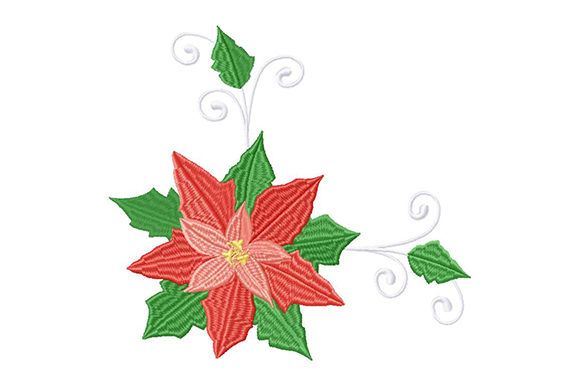
Poinsettia Ornament: A Designer's Holiday Embroidery Review
When a new embroidery design lands in your library, the first question isn't just about its beauty—it's about its potential. As an embroiderer who works on client projects and runs a small craft business, I look at a file with a practical eye. How will it stitch out? Where does it truly belong? Let’s walk through the Poinsettia Ornament for the New Year from that perspective.
First Impressions: Holiday Mood in a Corner
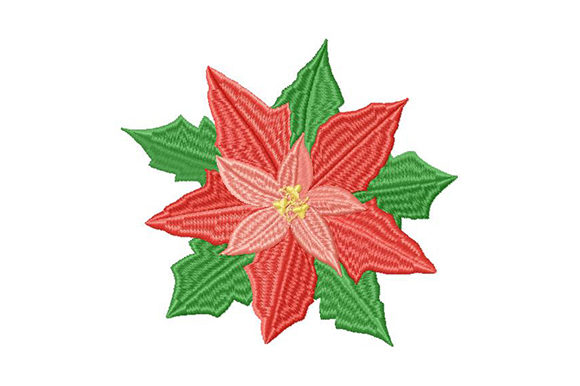
The design’s description notes it’s “ideal for embellishing the corner of a product,” like a tablecloth. That’s a specific and useful intention. Visually, this suggests a composed, ornamental feel rather than a central, dominating motif. The poinsettia theme immediately evokes a classic, warm holiday mood—it’s festive without being kitschy. The shape and layout likely lend themselves to a balanced, corner-anchoring detail, perfect for adding a touch of elegance without overwhelming the fabric’s space.
For a designer, this means the Poinsettia Ornament isn’t a general-purpose holiday splash. It’s a strategic accent. Think of the corner of a linen napkin, the lower hem of a festive apron, or the top edge of a decorative pillow cover. Its personality is refined and traditional, making it a strong candidate for projects aimed at customers who appreciate subtle, handmade sophistication.
A Real Project Scenario: The Boutique Holiday Tote
Imagine you’re preparing a limited run of embroidered tote bags for your Etsy shop or a craft fair. You want something holiday-themed but not overtly “Christmas,” so it can be used throughout the season. Placing this poinsettia ornament in the bottom corner of a natural canvas tote creates an instant giftable product. It feels special, handmade, and purposefully designed. A customer’s eye is drawn to that crafted detail, elevating the perceived value of the entire bag. This design’s corner-friendly nature means you don’t have to engineer a complex central placement; it works intuitively where you’d naturally want a decorative touch.
Performance Across Real Embroidery Projects
The utility of an embroidery file like this lies in its versatility within its niche. Because it’s designed as an ornament, it can scale beautifully across different projects, provided you mind the details.
On custom apparel like the corner of a sweatshirt sleeve or the placket of a holiday shirt, it becomes a personalized emblem. For home goods—tea towels, pillow covers, or blanket edges—it offers that perfect finishing touch. As a possible embroidered patch applied to a baby’s nursery pillow or a chef’s apron, it carries a timeless, gift-ready quality. In a commercial embroidery context for a small shop, it could brand holiday merchandise with a consistent, elegant motif.
However, its “ornament” nature requires careful consideration on certain items. On a curved surface like a cap, a corner design might not sit as intended unless adapted. Similarly, on very small items like infant socks or the corner of a tiny handkerchief, the stitch density and detail level need to be checked to ensure clarity.
Where to Use With Care
Some applications demand a test stitch first. Textured or stretchy fabrics can distort the finer points of a floral motif. Dark fabric backgrounds require a thoughtful thread color palette to maintain the poinsettia’s visual pop—a deep red on black may lose its vibrancy. If the design includes small, intricate leaf details or delicate running stitch outlines, they might blend into busy fabric patterns. For products destined for frequent washing, like kitchen towels, ensuring the stitch density is secure and using proper stabilizer is crucial for longevity.
Always test on scrap fabric of your intended final material. Check the thread color contrast in both digital mockups and a physical sample. This isn’t just about troubleshooting; it’s about guaranteeing the finished product looks professional and builds customer trust in your handmade presentation.
The Designer’s Notes: Practical Steps Before Hooping
Before committing this design to a client’s project or your product line, run through a few key checks. First, confirm the licensing terms for the Poinsettia Ornament for the New Year embroidery file. Is it cleared for commercial embroidery use and selling finished items? This is foundational for any craft business or Etsy seller.
Next, even without specific details provided, you should determine the practical hoop size needed by examining the design’s dimensions. Does it fit comfortably within your standard hoop for, say, a tote bag corner? Inspect the design file digitally for potential small details that might require precise machine handling.
Create both light and dark background printable mockups to visualize the final product. This helps with marketing and ensures the design’s appeal translates across different custom apparel choices. Finally, consider the design’s role in your brand consistency. If your shop specializes in modern minimalist gifts, a traditional poinsettia might need pairing with simpler products. If your brand is all about classic holiday warmth, it’s a perfect fit.
Beyond the Stitches: Customer Engagement and Giftability
A well-executed embroidery design does more than decorate fabric; it communicates care. The Poinsettia Ornament, when stitched cleanly on a high-quality item, elevates it from a generic holiday product to a thoughtful personalized gift. That perceived increase in craftsmanship directly affects buyer engagement. In product photos for your online shop, a beautifully placed, crisp embroidery detail like this captures attention and suggests professionalism.
For the end customer, receiving a pillow, apron, or bag with this ornament signals that the item was made with intention. It’s recognizable as a holiday piece but retains a timelessness that avoids being disposable after December. That’s a valuable quality for any small shop product aiming for repeat customers and positive reviews.
In essence, the Poinsettia Ornament for the New Year is a design that understands its role. It’s not trying to be the centerpiece; it’s aiming to be the perfect accent. For embroiderers and makers looking to add a touch of classic holiday mood to their projects without reinventing the wheel, it offers a straightforward, elegant path. Your job as the designer is to match it with the right fabric, the right placement, and the right product—then let its handmade charm do the rest.