Why This Girl Holding a Basket Lineart Embroidery Design Stands Out
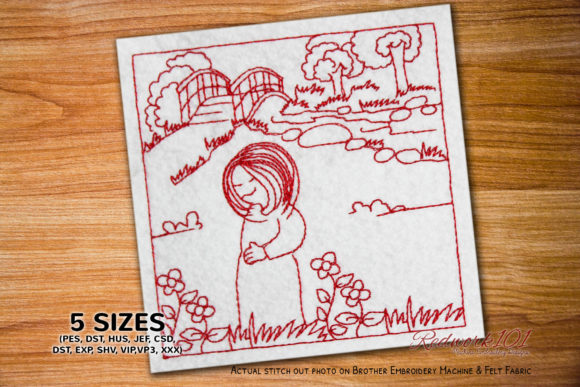
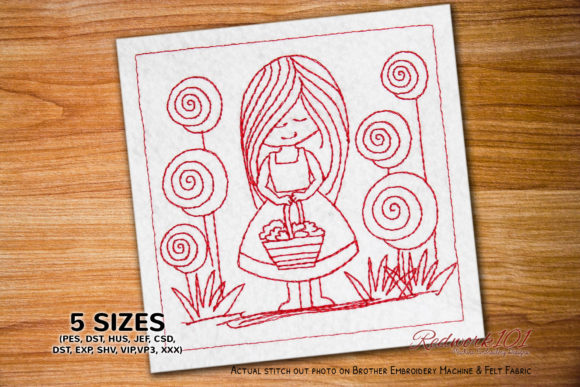
When an embroidery file lands on my screen for a potential project, my first question isn't just about aesthetics. It's about utility. Can this design translate from a digital preview into a tangible, beautiful finished product that feels worth the stitch time and the customer's investment? The Girl Holding a Basket Lineart design immediately presents a quiet, storybook charm. It's not overly busy; the central figure with her floral basket, flanked by simple trees, creates a gentle, nostalgic mood. This isn't a flashy statement piece, but rather a design that speaks to personalization, to a softer touch. For embroidery designers and craft business owners, that's a valuable niche.
The Perfect Project Fit: Where This Lineart Belongs
I envisioned this design on a custom embroidered tote bag for a boutique. The scene's horizontal, landscape-like layout naturally fits the broad canvas of a bag panel. It wouldn't overwhelm the fabric but would offer a delightful focal point. This is precisely where its strength lies: in applications where a detailed, but not dense, illustration is needed. Think of it gracing the front of a linen pillow cover in a nursery, or as a singular, heartfelt motif on a child’s sweatshirt. The optional box stitch frame mentioned in the description adds a crucial layer of versatility. That border can be a unifying element for a series of products—aprons, kitchen towels, or tea towels for a small shop—creating a cohesive branded look. Without the box, the design feels more organic, perfect for a personalized baby blanket or a wedding gift handkerchief.
Navigating the Stitch: Practical Considerations for Real Use
As a lineart design, its performance hinges on stitch clarity. The outlines of the girl, the basket, and the trees need to be crisp. On lighter fabrics like cotton or linen, this will be stunning with a simple running stitch or a delicate satin stitch for emphasis. However, this is where practical judgment comes in. On darker or textured fabrics—like a black denim jacket or a thick sweater—you must be meticulous with thread color contrast. A pale thread on dark fabric could lose the delicate lines. Always, test on scrap fabric first. This isn't just a suggestion; it's professional practice. It allows you to review the stitch density, see how the smaller details like the flowers in the basket hold up, and choose the right stabilizer for the base material.
When to Exercise Caution
While adaptable, some applications require extra thought. The design's somewhat wide format means on very small hoop sizes, like those used for caps or curved hat surfaces, the elements might need to be scaled down significantly. Check those tiny details at a smaller scale to ensure they remain clear and don't become a muddle of tight stitches. Similarly, on stretchy fabrics for apparel, a sturdy stabilizer is non-negotiable to prevent distortion of those clean lines. For products destined for frequent washing, like baby clothes or kitchen linens, consider a slightly denser fill stitch for the basket and trees to enhance durability, though the inherent simplicity of the lineart means it’s less prone to wear than overly complex fills.
The Business of Beauty: How This Design Adds Value
For the creative entrepreneur—the Etsy seller, the digital product seller, the craft fair vendor—a design like Girl Holding a Basket Lineart affects more than just the stitch. It affects perceived value. Its gentle theme has high giftability; it feels special and handmade without being generic. This builds customer trust and engagement. A customer looking for a personalized birthday gift or a boutique nursery decor item will recognize its unique appeal over mass-produced alternatives. Using it consistently across your product line (tote bags, pillow covers, aprons) strengthens your brand’s visual identity. It also serves beautifully in printable mockups for your digital embroidery file listings, showing potential buyers exactly the kind of elegant finished product they can create.
Essential Designer Notes Before You Hoop
- Context is key. The product category is listed as Boys, but the design's thematic appeal is universal. Don't let that limit your vision; it's perfect for girls' items, women's accessories, or general home decor.
- Preview in extremes. Before committing to a client project, mock up the design on both a pure white and a black background. This reveals how the lines will behave and informs your thread palette.
- Clarify the basics. The description notes the optional box stitch and its color variation. Before production, confirm the specifics of the embroidery file itself—the intended hoop size compatibility and stitch types (running, satin, fill) are details you must verify for your machine.
- License for your purpose. Always confirm the licensing terms. If you're selling the finished embroidered tote bags or sweatshirts commercially, ensure the design allows for that. If you're a digital product seller including it in a bundle, that requires different permissions.
In the end, this design succeeds because it understands its role. It doesn't try to be everything. It offers a clear, emotive scene that, with proper embroidery technique, becomes a timeless addition to a handmade product. It’s a design that rewards careful execution with customer delight, and for a professional, that’s the ultimate measure of a good embroidery file.